
State police: IG submits framework, DAWN plans regional strategy
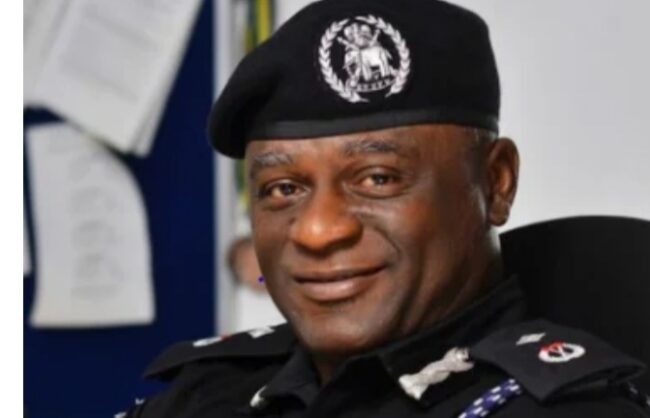
The Inspector General of Police, Olatunji Disu, on Thursday submitted a comprehensive framework for the establishment of state police to the Senate, in a move seen as a significant step toward decentralising policing and addressing Nigeria’s worsening security challenges.
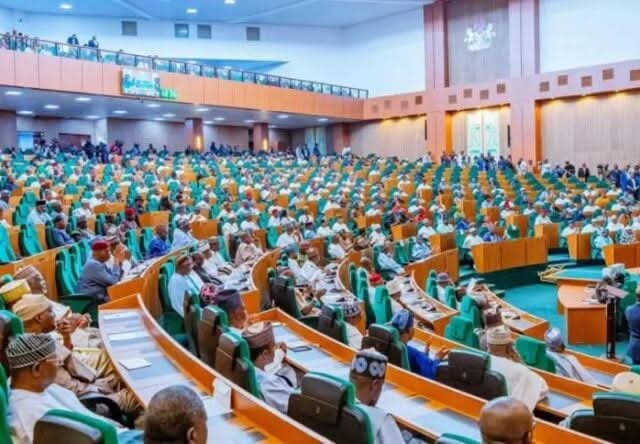
The police boss presented the document to the Deputy President of the Senate, Barau Jibrin, who also chairs the Senate Committee on the Review of the 1999 Constitution of Nigeria, during a meeting at the National Assembly in Abuja.
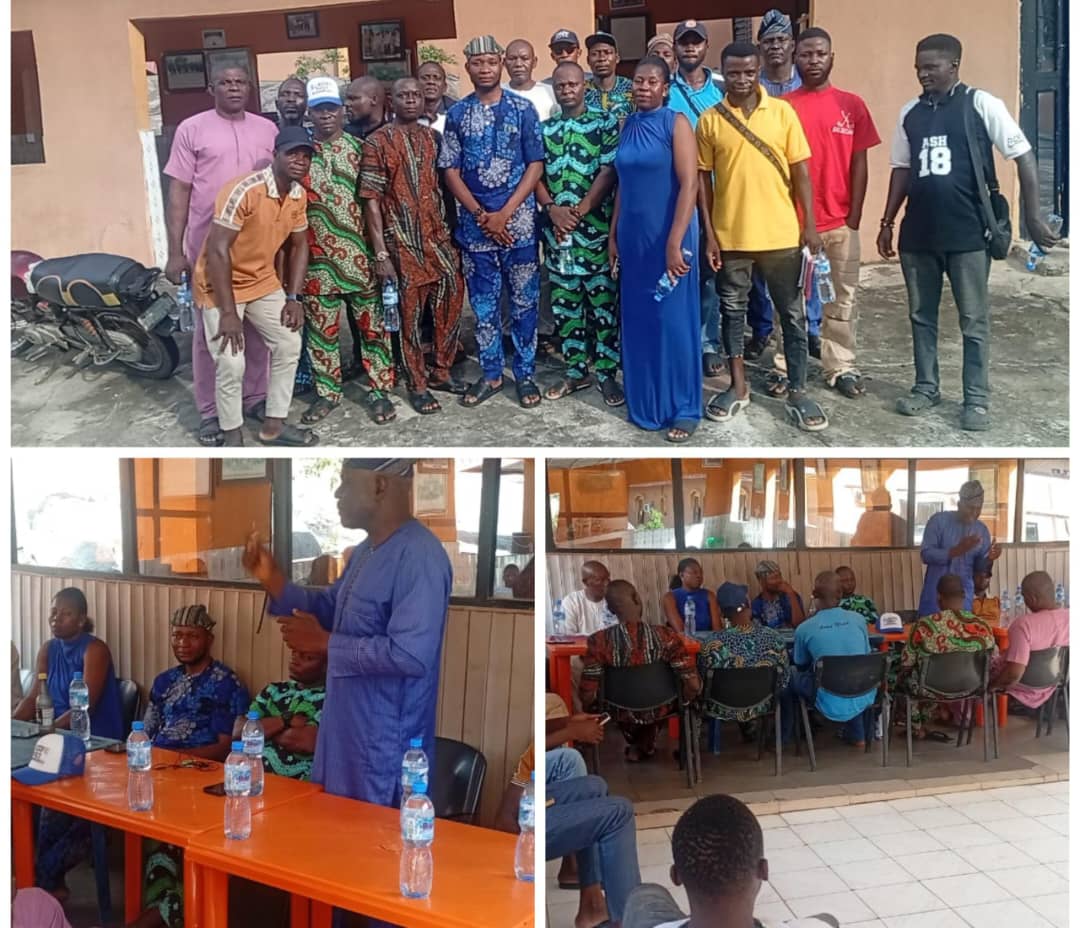
This comes as the Development Agenda for Western Nigeria, in collaboration with relevant stakeholders alongside the security experts, on Thursday, converged in Ibadan, Oyo State, on the need to develop an operational framework for the proposed state policing.
The technical session, tagged: “Foundational Imperatives for State Police in South-West Nigeria,” was held at the Dipo Famakinwa Conference Room, DAWN Commission headquarters, Cocoa House, Dugbe.
The PUNCH reports that President Bola Tinubu had, in February 2026, pledged that the establishment of state police to combat insecurity would not be postponed.
Tinubu, while assuring Nigerians that his administration’s promise to tackle insecurity through state policing remains on track, said, “What I promise you is not to be postponed. We will establish state police to combat insecurity.”
Details of the submission of the framework to the Senate were contained in a statement issued on Thursday by Barau’s Special Adviser on Media and Publicity, Ismail Mudashir.
According to the statement, the 75-page framework was submitted on behalf of the IGP by the chairman of the police committee on state police, Prof Olu Ogunsakin, who led efforts to examine the modalities for its establishment.
Titled, “A comprehensive framework for the establishment, governance and coordination of federal and state police,” the document outlines the proposed operational structure for state policing and how it would function alongside the federal system.
The statement read, “The report covers the considered views, professional insights and strategic recommendations of the Force, derived from extensive consultations and a careful assessment of the operational, legal and administrative implications of instituting state police in Nigeria.
“It is our expectation that the contents of this report will meaningfully contribute to ongoing deliberations and assist in shaping informed, balanced, and pragmatic decisions on this critical aspect of national security architecture.”
The report, which represents the Nigeria Police Force’s formal input, has been forwarded to the Senate committee overseeing the constitutional amendment process.
Responding, Barau commended the IGP for his proactiveness, noting that the move aligned with the security agenda of President Bola Tinubu to strengthen internal security across the country.
He added that the committee would consider the framework alongside other memoranda submitted as part of the ongoing review of the nation’s grundnorm.
Addressing journalists in Ibadan, the Director-General of DAWN Commission, Seye Oyeleye, said the roundtable session was convened in response to growing momentum at the Federal level for the establishment of state police.
The DAWN Commission DG said, “Yes, we know that the present Federal Government, headed by Asiwaju Bola Tinubu, has put the issue of the creation of state police at the forefront of the measures they are taking on security.
Once he came into power in 2023, he started talking about state police, and late last year into this year, they ramped up the call that we need state police.
“What we have now decided to do is that this thing is going to happen. The bill is already at the National Assembly.
So, at the South West end, we said we are not going to wait until state police start before we decide to have a template—a common ground on how we believe state police can operate efficiently in South West Nigeria,” he said.
Oyeleye stressed further that while a national framework might exist, regional peculiarities must be considered in designing an effective policing system.
“If you have a population of over 200 million people and about 450,000 active policemen, how effective can that be? So what we are trying to do is come up with a guiding template for the six states,” he said.
Oyeleye added, “There will be a common template, but we have individual peculiarities. That is why we are a federation. The mistake we don’t want to make again is this ‘one size fits all’ approach.
“We believe by the first quarter of 2027, state police will become a reality. That is why we are doing this now.”
Oyeleye disclosed that the outcome of the meeting would be transmitted to South West governors as a foundation for policy direction, expressing confidence that state policing could become operational by early 2027.
On the potential abuse of state police by governors, the DAWN Commission DG described such fears as outdated, citing the experience of the regional security outfit, Amotekun.
“The fear that it will be abused is no longer tenable. We have had Amotekun operating since 2020 in South West Nigeria, and no one can say a governor has abused it. We are now in a social media age; the slightest thing, everybody knows,” he said.
A professor of African History, Peace and Conflict Studies at the Institute for Peace and Strategic Studies, University of Ibadan, Olawale Albert, stressed that the focus should now be on how to implement state policing effectively rather than debating its necessity.
“Our President has, in my own consideration, decreed state policing into existence. What we are discussing now is not whether state police will be embraced, but how,” he said.
He, therefore, warned against replicating the shortcomings of the federal policing system, urging stakeholders to adopt a research-driven and analytical approach.
“We cannot jump into state policing without interrogating what is wrong with the federal police. If we do not adopt a rigorous intellectual approach, we may end up with state police behaving like the federal police we are criticising today.
“Many communities have already established their own policing structures. Amotekun is one of them. We must draw lessons from these systems to build a police structure that is trusted by the people,” he added.
The Executive Director of Journalists for Democratic Rights, Adewale Adeoye, emphasised that state policing must be people-centred and reflective of local realities.
“State policing is not just about the government; it is also about the people. Security must be owned by the people. They must be involved in the conception, the process, and the implementation.
“The nature of crime in the South West is not the same as in the North East. State policing here has to reflect our own conditions. We want a structure that commands public integrity, transparency, and meets global standards,” he said.
The development comes amid mounting pressure for structural reforms to Nigeria’s policing architecture, with renewed advocacy for decentralisation gaining traction both locally and internationally.
Barely 24 hours earlier, a United States lawmaker, Riley Moore, called for the decentralisation of Nigeria’s policing system, arguing that state governments must be empowered to respond more effectively to worsening insecurity, particularly in the Middle Belt.
Moore made the assertion in a post on X on Wednesday, urging Nigerian authorities to take more decisive steps to protect citizens.
He stressed the need for far-reaching reforms, noting that it was overdue to devolve policing powers to sub-national governments.
His comments add to growing international attention on Nigeria’s security challenges, especially calls for reforms that would allow states to play a more active role in maintaining law and order.
The push also coincides with renewed efforts by the Federal Government to advance the creation of state police as part of broader strategies to tackle the country’s multifaceted security threats, including banditry, insurgency and communal violence.





Leave a Reply