
More Rep members to dump PDP, NNPP
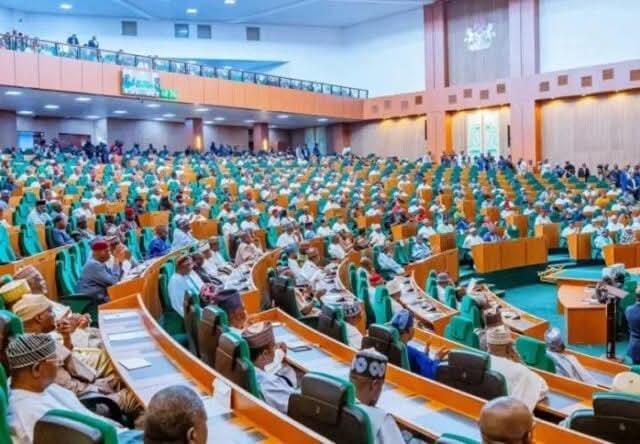
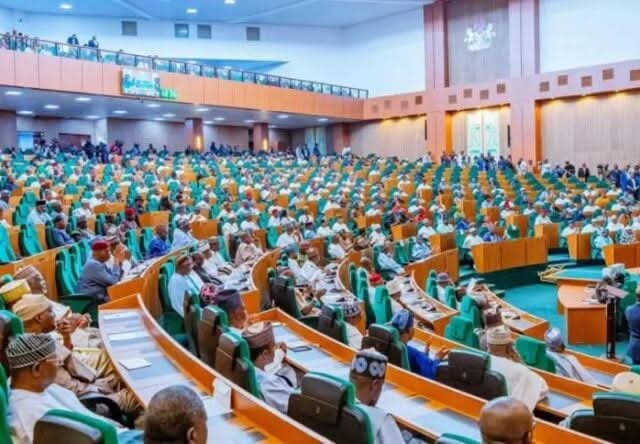
More members of the House of Representatives elected on the platform of the Peoples Democratic Party and the New Nigeria Peoples Party are set to dump the party ahead of the National Assembly’s resumption on March 31, 2026.
Findings by Sunday PUNCH revealed that the leadership of the House is expected to formally announce a fresh wave of defections upon resumption, signaling yet another setback for opposition parties already weakened by internal divisions and sustained losses since the 2023 general elections.
Among those set to dump the PDP are Bamidele Salam, Clement Akanni, Mahruf Adewale, Soji Adetunji, and Mudashiru Alani-all from Osun State who are billed to join the Accord Party.
Their planned defection follows the earlier exit of Osun State Governor, Ademola Adeleke, from PDP to Accord Party, a move that has continued to reverberate within the party’s ranks.
In Taraba State, the lawmaker representing Bali/Gassol Federal Constituency, Jaafaru Yakubu, has already exited the PDP and is expected to formally declare for the All Progressives Congress.
Similarly, Mohammed Bassi, who represents Mayo Belwa/Ganye/Jada/Toungo Federal Constituency of Adamawa State, is also set to join the ruling party.
The NNPP, which made modest gains in the 2023 elections, is also witnessing a steady erosion of its ranks.
Four of its members namely; Tijjani Mustapha, Muhammed Shehu, Dankawu Idris, and Hassan Hussain have submitted their letters of defection and are awaiting formal announcement on the floor of the House and are expected to align with the APC.
In Lagos, Seyi Showunmi of the Labour Party is also on his way to the African Democratic Congress, further underscoring the fluidity of party loyalties in the current political climate.
The only notable loss for the APC is the imminent defection of the House Deputy Spokesman, Philip Agbese, who is set to join the Labour Party, owing to the protracted crisis in the Benue State chapter of APC between Governor Hyacinth Alia and the Secretary to the Government of the Federation, George Akume.
One of the defectors, who spoke on condition of anonymity because his letter had yet to be read on the floor, attributed his decision to what he described as the PDP’s loss of direction.
“Nigerians should understand with us. Since 2015 when we lost power, things have not been the same. You would have expected the leaders to put their house in order but they kept fighting themselves. That is how PDP lost its soul to greedy men,” he said.
He defended his decision to join the ruling party, adding, “It (APC) is the only healthy party as far as I can see. If you want to return to your office, your previous works matter and so is your choice of a political platform. PDP may bounce back in the future but for now, it cannot compete in many parts of Nigeria.”
At the conclusion of the 2023 general elections, APC secured 175 seats in the House of Representatives just six short of the 181 required for a simple majority.
The PDP followed with 116 seats, while the Labour Party won 35 seats and the NNPP secured 19.
Smaller parties, including All Progressives Grand Alliance, Social Democratic Party, Young Progressives Party, and African Democratic Congress, shared the remaining seats.
A combination of internal crises, leadership tussles, and protracted legal battles has weakened the PDP, making it increasingly difficult for the party to maintain cohesion among its lawmakers.
The NNPP has also struggled to retain its members amid shifting alliances and the growing influence of the ruling party.
Between the second and third quarters of 2025, a steady stream of defections largely in favour of the APC altered the balance of power in the Green Chamber.
The ruling party capitalised on divisions within the opposition, consolidating its position and expanding its legislative dominance.
Today, the APC is commanding a two-thirds majority in both chambers of the National Assembly, effectively diminishing the influence of opposition parties in legislative decision-making.
The growing dominance of the ruling party has raised concerns about the health of Nigeria’s multiparty democracy.
With the APC holding overwhelming numbers, the need for bipartisan support to pass critical legislation has significantly reduced.









Leave a Reply