

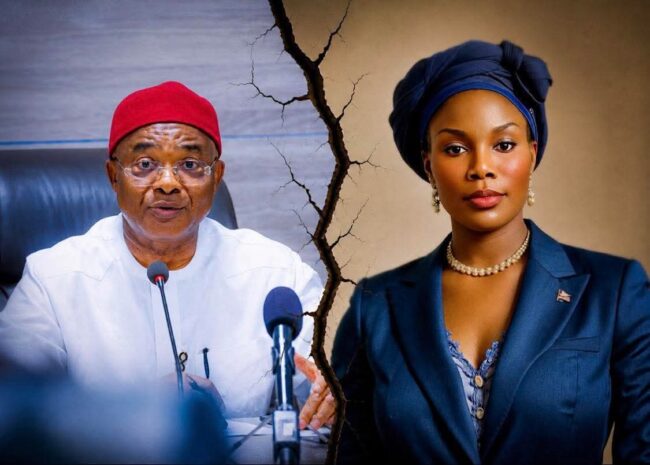
UZODINMA’S SENATE BID RAISES CONSTITUTIONAL QUESTIONS AND POLITICAL TENSI0N IN IMO

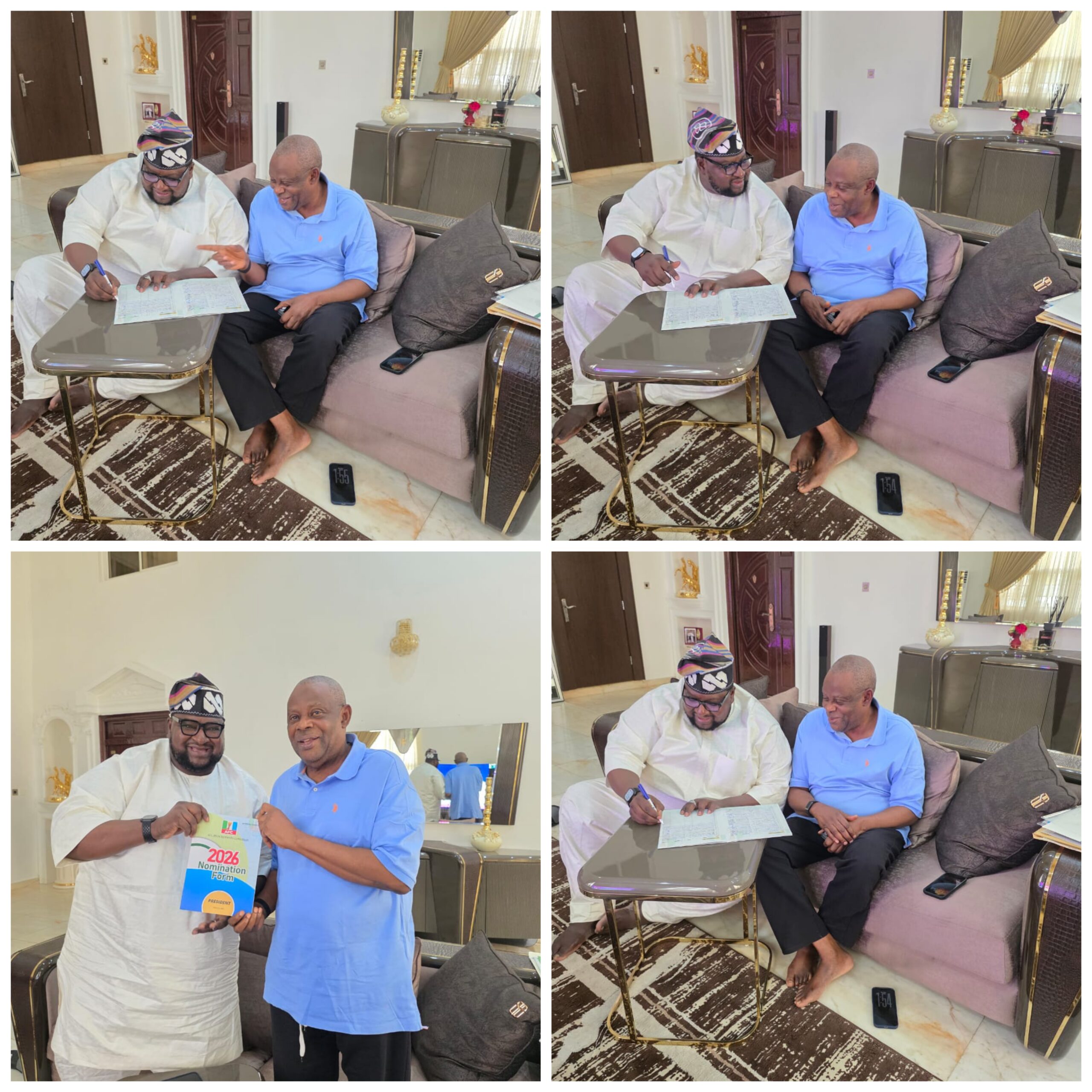
The reported move by Imo State Governor, Hope Uzodinma, to obtain a senatorial expression of interest form has triggered fresh debate over the legal and political implications of a sitting governor seeking legislative office while still in power.
Under Nigeria’s constitutional framework, a serving governor is permitted to aspire to another office and participate in party processes, including primaries. However, legal provisions require such an officeholder to resign before contesting the general election, creating a critical transition point in the state’s leadership structure.
If a governor resigns, the deputy governor automatically assumes office as governor, a process defined clearly by law and not subject to political discretion. This provision has brought attention to the role of the current deputy governor and the potential political calculations surrounding succession, should the governor proceed fully with his senatorial ambition.
Political analysts say the situation presents both opportunity and risk. If the governor contests and loses at the primary stage without resigning, he retains his position. However, resignation ahead of the general election carries significant political consequences, including the immediate transfer of executive authority and the loss of constitutional immunity attached to the office.
The development has also sparked wider discussions within political circles about internal party strategy, power balance, and the management of succession in Imo State. Questions are being raised about possible alignments, contingency plans, and the broader implications for governance in the state.
At the national level, observers note that such moves are closely watched, especially within the ruling All Progressives Congress, where internal decisions can influence not just state politics but wider electoral dynamics ahead of 2027.
Meanwhile, emerging political conversations are also focusing on potential future actors in Imo politics, including Sandra Chidinma Duru, whose name has resurfaced in discussions around influence and possible participation in the state’s 2028 governorship landscape.
As events continue to unfold, the situation in Imo highlights the complex intersection of ambition, constitutional limits, and political strategy, with outcomes that could reshape the state’s leadership structure in the coming years.


Leave a Reply